
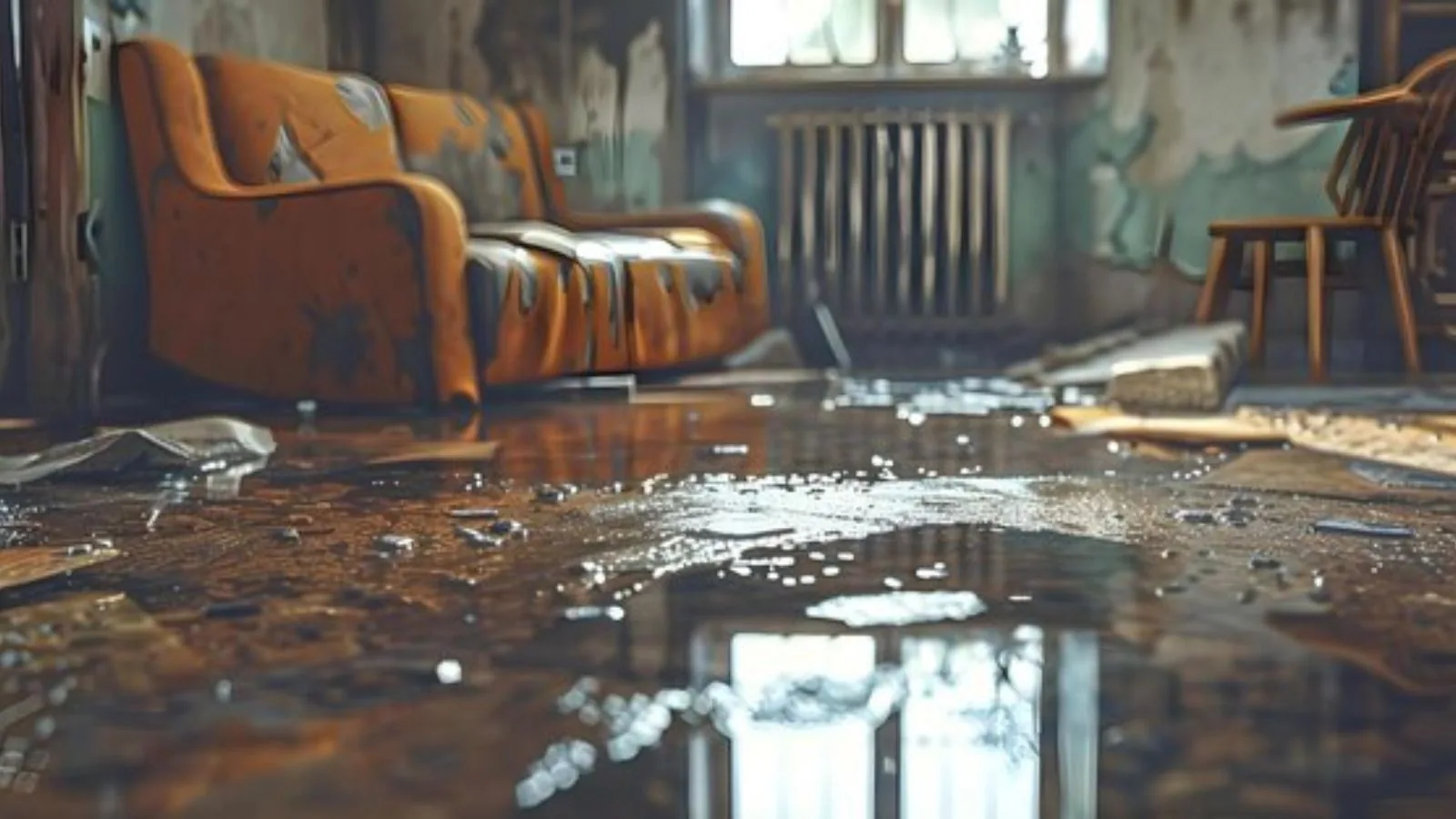
Emergency flood damage cleanup in Southern Pines, NC begins when water enters the building from outside, whether from creek overflow, a failed dam, or storm runoff with nowhere to drain. Flood damage restoration is the removal of that water, the disposal of materials it contaminated, and the controlled drying of everything that stays. Our emergency line is open 24/7, including nights and weekends.
While you wait for a crew, keep people and pets out of the water, lift valuables onto furniture or upper shelves, and photograph the damage before anything is moved. Flood water almost always counts as contaminated, so treat it that way until it has been removed.
When flood water is an emergency
Stay out of the water if power is on
Standing water around outlets, a panel or a basement furnace can carry current. Cut power at the main panel only if you can reach it without stepping into water. If you cannot, leave the house and call the power company or 911 before you call a restoration line. The same goes for the smell of gas.
Do not wade through flood water to save belongings. Floodwater from a stream, a failed dam or an overwhelmed storm drain can carry sewage, fuel and sediment.
After the area is safe, call us. We ask what is wet, how deep it got, and whether the water has stopped rising, then explain the next steps and the scope and price before any work starts.
What flooding has looked like around Southern Pines
Southern Pines drains west toward Aberdeen Creek and east and north toward tributaries of the Little River, so low spots along those paths take water first. In 2025 Tropical Depression Chantal dropped nearly 10 inches of rain on Moore County in a matter of hours. County officials called it the worst flood event in the region since Hurricane Fran in 1996, and the town labeled it a 500 to 1,000-year flood.
A dam failed at the Longleaf Golf Course and damaged homes downstream, culverts were overwhelmed, and crews made 13 swift water rescues on flooded roads. The practical lesson for a homeowner is simple. Water that arrives through failed infrastructure or overflowing creeks is treated as contaminated, which means carpet and pad usually go, drywall is cut above the waterline, and the insurance conversation starts with whether you carry flood coverage.
What happens after the water is in
Crews start with extraction. Submersible pumps and truck-mounted or portable extraction units pull standing water, then wet vacuums take what is left from low spots and thresholds. Saturated carpet pad, insulation and soaked baseboards are removed because they hold water and contamination.
Next comes the structure. Technicians map moisture with meters and thermal imaging, cut drywall above the visible waterline where it has wicked upward, and set air movers and LGR dehumidifiers to pull moisture out of framing and subfloor. Surfaces that touched floodwater get cleaned and treated with an antimicrobial before rebuild. Drying readings are logged each visit so the file shows when the building reached its dry standard.
What can be saved after flood water
| Material | Usual outcome after contaminated flood water | Why |
|---|---|---|
| Carpet and pad | Removed and replaced | Pad holds contamination and cannot be cleaned in place |
| Drywall and insulation | Cut out above the waterline | Wicks water upward and traps contamination |
| Solid hardwood | Sometimes dried if caught fast | Cupping and gapping depend on how long it stayed wet |
| Engineered and laminate flooring | Usually replaced | Layers swell and separate |
| Solid wood furniture | Often cleaned and dried | Dense material, but finish may need work |
| Upholstery and mattresses | Usually discarded | Fabric absorbs contaminated water |
What drives flood cleanup cost
No two flooded homes price alike. These are the real factors behind the number:
- Water category. Contaminated flood water adds disposal and cleaning steps that clean supply-line water does not.
- Depth and square footage. Two inches across a whole floor is a larger job than a foot of water in a single room.
- Materials affected. Carpet and drywall removal costs less than pulling cabinets, subfloor or hardwood.
- Time before drying starts. Every extra day wet increases demolition and the chance of mold.
- Rebuild scope. Mitigation and rebuild are separate phases, and rebuild depends on what you choose to replace.
Homeowners policies in North Carolina generally do not cover flood or rising water, according to the NC Department of Insurance. Flood coverage is a separate policy, often through the National Flood Insurance Program. Ask your insurer exactly what your policy says before you assume anything is or is not covered.
Want your real number? ☎ Call (910) 387-8176
Related water problems and nearby towns
If the water came with a hard rain through a roof or window rather than rising from the ground, the work looks more like storm water damage cleanup. A flooded lower level is covered in more detail under basement water damage. After the water is gone, structural drying is what protects framing and subfloor from mold.
We also serve Aberdeen, where Aberdeen Creek runs through the middle of town. If that is your address, see our page for water damage restoration in Aberdeen. To check whether your property sits in a mapped flood zone, use the FEMA Flood Map Service Center and ask the Town of Southern Pines about local requirements before rebuilding.
For a documented local example of dam-breach flooding, see our page for the Longleaf community.
Frequently asked questions
Do you handle flood damage emergencies at night or on weekends in Southern Pines?
Yes. The emergency line is answered 24 hours a day, every day, so a night or weekend flood gets the same response path as a weekday one. Tell us the depth of the water and whether it is still rising. If power or gas is involved, call the utility or 911 first.
Does homeowners insurance cover flood damage?
Usually not. The NC Department of Insurance states that homeowners policies do not cover flood or rising water, and flood coverage is bought separately. Some damage from storm rain entering through a damaged roof may be treated differently, so read your policy and ask your insurer.
How soon does drying need to start after a flood?
As soon as the water is out. EPA guidance on water damage calls for drying wet materials within 24 to 48 hours to limit mold growth, and flood water adds contamination to that clock.
Can anything wet from flood water be kept?
Dense solid items such as some hardwood furniture can often be cleaned and dried. Porous items like carpet pad, mattresses and insulation usually cannot be safely cleaned after contaminated water.
Do I need a permit to rebuild after a flood in Southern Pines?
Permit rules depend on the work. The Town's Building Permits and Inspections division says its residential permit covers alterations and additions, and it does not list water damage repair, so ask that office whether your scope needs one.