
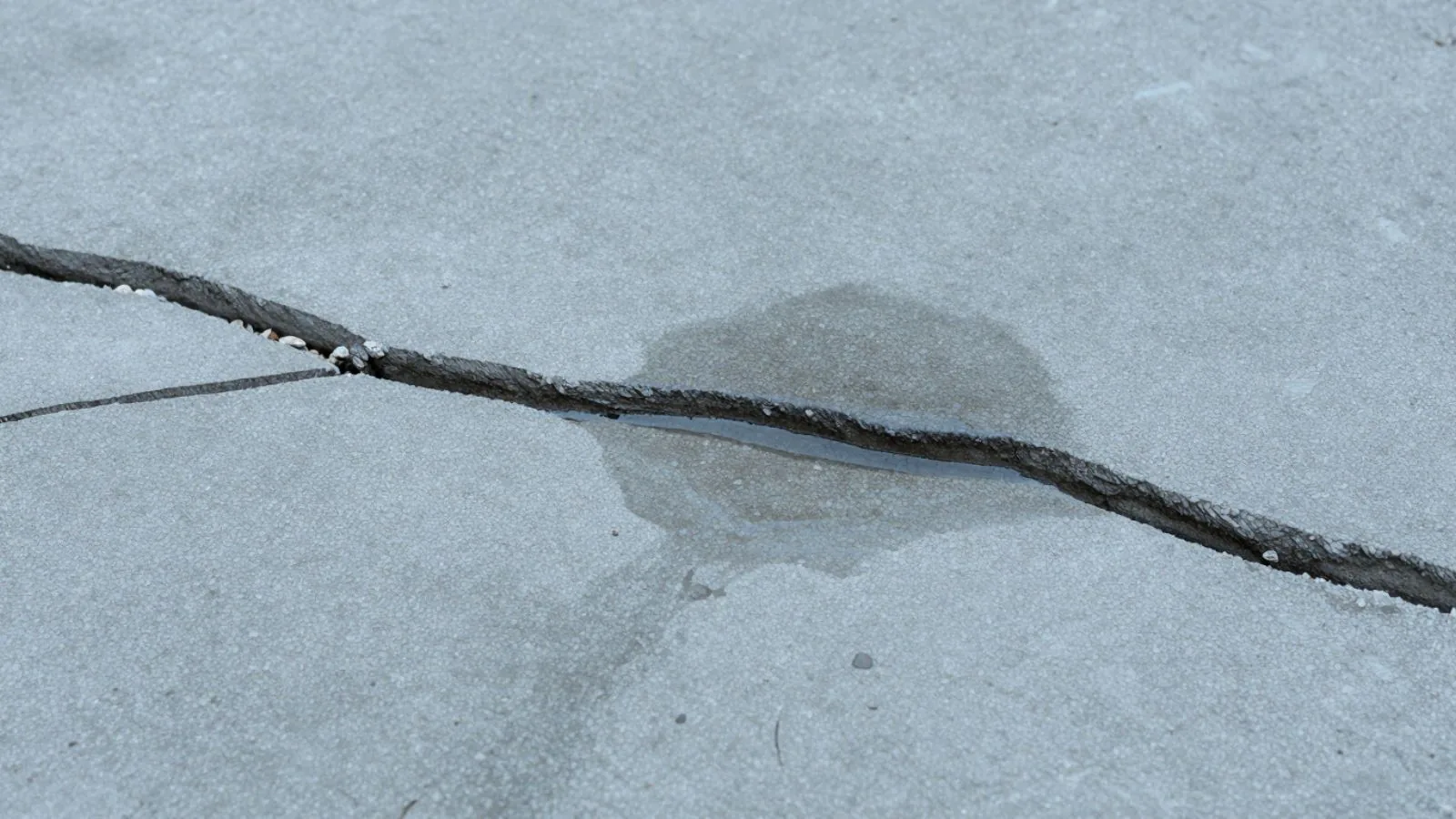
Emergency slab leak water damage in Southern Pines, NC applies to homes built on a concrete slab, where supply or drain lines run in or under the concrete. A slab leak is water escaping from those lines, and it is hard to spot because the pipe is out of sight. Our emergency line is open 24/7 if water is rising through a floor.
If water is visible on the floor and you cannot find a source, close the main water valve and see whether it stops. If the electrical panel is dry and reachable, switch off the circuits serving the wet area. A plumber with leak detection equipment can find the line, and we handle extraction and drying.
Signs you may have a slab leak
People rarely say slab leak when they call. They say the water bill went up with nobody home, there is a warm spot on the floor, or they hear water running when everything is off. They notice flooring that has started to lift, a musty smell from a closed room, or damp carpet along one wall.
- A water bill that rises without a change in use.
- A warm or hot spot on tile or carpet, which can point to a hot water line.
- The sound of running water with all fixtures off.
- Cracks in grout, lifting laminate, or damp baseboards.
- Low water pressure throughout the house.
A water meter test helps. Turn off every fixture, then watch the meter dial at the street. If it keeps moving, water is leaking somewhere between the meter and your fixtures. That does not prove the slab, but it narrows the search.
When a slab leak is an emergency
A slab leak is an emergency when water is coming up through the floor, soaking carpet or lifting flooring. Keep the main valve closed until a plumber arrives, and keep people off wet flooring that may be slick. Water under a slab can undermine soil and flooring over time, so a leak left for months can do more than damage floors.
Electricity and hidden water
Water that rises through a slab can reach outlets, appliances and a floor-level furnace. If you see water near electrical equipment, do not touch it. Cut power at the panel only if it is dry and reachable, and call 911 if there is any sign of a short.
Do I have a slab or a crawl space?
Many homes sit on a slab, a crawl space or a basement, and which you have decides whether this page applies. A slab means flooring is installed directly over concrete. A crawl space means you can access a low area under the floor. If you are not sure, ask your plumber or check your property record.
Water under a crawl space home is a different problem, covered on our page for crawl space water damage. This page is for the slab case, where the water has to come up through concrete or along its edge.
What cleanup involves
Once the plumber has stopped the leak, we extract water, lift flooring that cannot stay and map moisture across the slab and nearby walls. Carpet and pad are removed first. Hardwood and laminate often need to be lifted so the slab can dry. Concrete holds water longer than drywall, so drying with dehumidifiers and air movers can take longer than expected.
After drying, flooring is replaced and baseboards are reinstalled. See hardwood floor water damage repair and carpet water damage restoration for what each floor type involves.
Slab leak cleanup cost factors
The leak repair is the plumber's job. The water damage cleanup depends on:
- How long water was leaking before it was found.
- Floor type and how much has to be lifted.
- Moisture in the slab and surrounding walls.
- Number of rooms affected.
- Drying time for dense materials.
Coverage for slab leaks depends on the policy and on whether the leak was sudden or gradual. Some policies limit coverage for water under a foundation. Ask your insurer exactly how your policy treats slab leaks, and keep your plumber's report.
Want your real number? ☎ Call (910) 387-8176
We serve Aberdeen and Pinebluff as well, so see our Aberdeen service page if you live south of town.
Frequently asked questions
Do you handle slab leak emergencies at night or on weekends in Southern Pines?
Yes. Holidays and weekends are covered too. If water is visible on the floor, close the main water valve, then call us for extraction and a plumber for leak detection.
How do I know if I have a slab leak?
Common signs are a water bill that rises without more use, warm spots on the floor, the sound of running water with everything off, and damp flooring. A plumber confirms with leak detection.
Who fixes the slab leak itself?
A plumber does, by repairing or rerouting the line. We handle water extraction, wet materials and drying.
Can I test for a slab leak myself?
A meter test can suggest one. Turn off all fixtures and see if the meter at the street keeps moving. A plumber needs to locate the exact leak.
Is slab leak damage covered by insurance?
It depends on the policy and the cause. Some policies cover sudden leaks and limit damage under the foundation. Ask your insurer before work begins.