
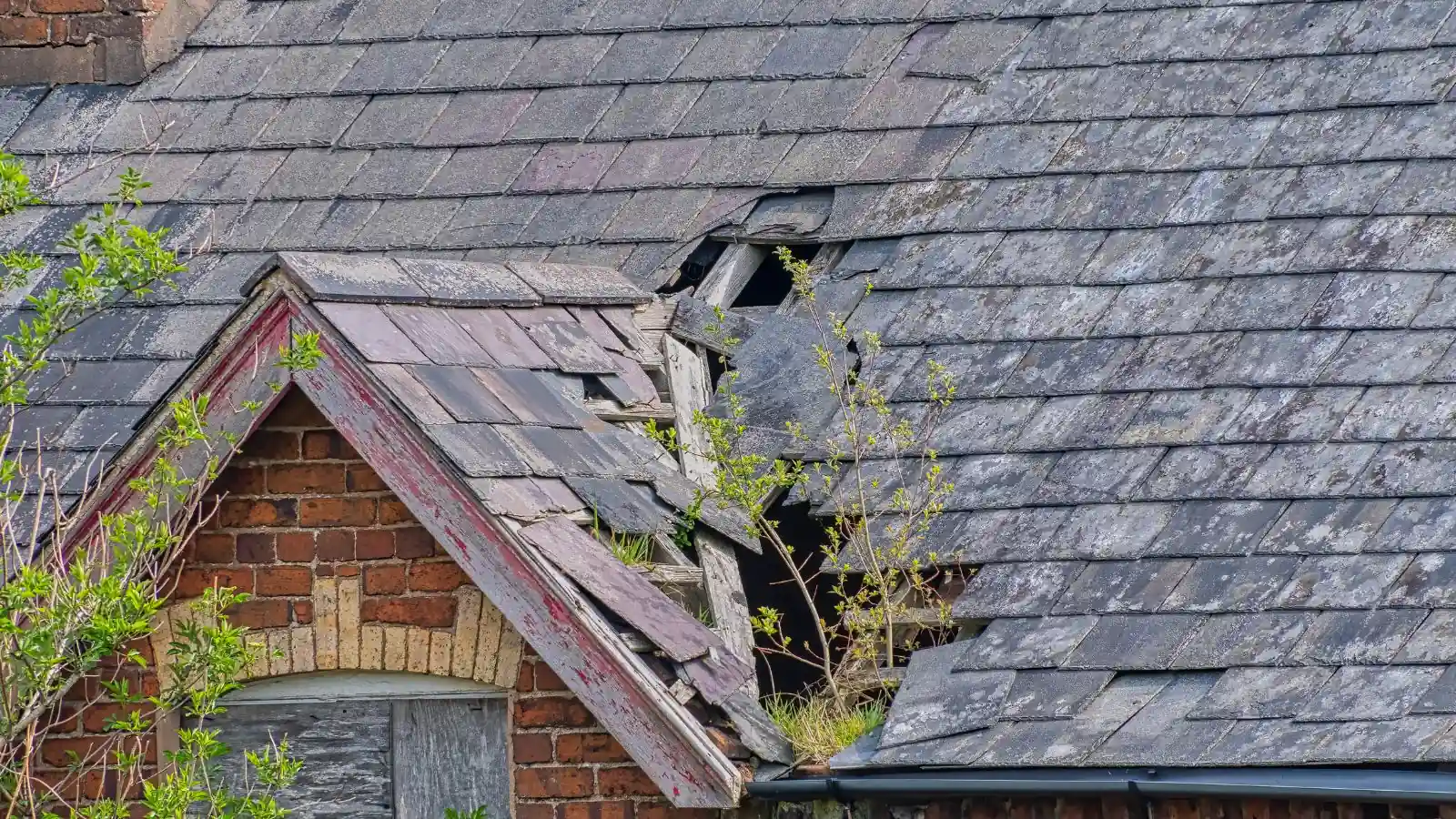
Emergency storm water damage cleanup in Southern Pines, NC covers water that gets into a building through storm damage to the roof, windows, siding, doors or attic ventilation. It is different from rising flood water. Storm water damage is rain, wind and debris opening the building to the weather, then soaking what is inside. Our emergency line is open 24/7, including during and right after severe weather.
When it is safe, protect the opening. Cover a damaged roof area or broken window with a tarp or plywood, move furniture and electronics away, and photograph everything before and after. The NC Department of Insurance advises homeowners to photograph and list damage before doing temporary repairs, and to keep receipts.
When storm damage is an emergency
If rain is entering the building, it is an emergency. A missing section of roof, a window broken by a limb or a damaged soffit can let in enough water to soak insulation and ceilings in a few hours. Wait for the storm to pass before going outside, and stay away from downed power lines.
Downed lines, trees and wet ceilings
Never approach a downed power line, and assume any wire on the ground is live. Stay out from under a ceiling that is sagging with water. If a tree is on the house, leave the area and call 911 or the utility before calling us.
What storms have done in Moore County
Severe weather in the area has included tropical systems. Tropical Depression Chantal in 2025 left thousands of Moore County customers without power and overwhelmed culverts across the county, which is a reminder that outages and water often arrive together.
The practical point is that big storms combine problems. Wind opens the building, heavy rain pours in, and power outages mean sump pumps and air conditioners stop. Water that comes in from above is a storm damage job. Water that rises from the ground is covered under flood damage cleanup.
What cleanup involves
- Temporary protection of openings with tarps or boards.
- Extraction of standing water and removal of soaked insulation.
- Moisture mapping of ceilings, walls and attic framing.
- Drying with air movers and dehumidifiers.
- Documentation for the insurer, including moisture logs.
Roof repair itself is done by a roofer. We handle the water inside and the drying. For a plain roof leak that follows ordinary rain, see ceiling water damage repair, which also covers roof leaks.
What to document for an insurance claim
Photograph the damage from several angles before temporary repairs. List damaged items and keep receipts for tarps, boards and any living expenses if the house is not livable. Hold off on permanent repairs until the insurer has inspected and you have agreed on the scope. Ask your insurer about any time limits that apply to your claim.
Storm damage cleanup cost factors
The price depends on how much rain got in and where it went:
- The size of the opening and how long it stayed open.
- Insulation, drywall and ceilings that absorbed the water.
- Water category, which changes if flood water mixed in.
- Access to attic and roof framing.
- Drying time and equipment count.
Wind and rain damage from a storm is often covered under homeowners policies, but flood and rising water are not, according to the NC Department of Insurance. Your policy may have a separate wind or hurricane deductible. Read it and ask your insurer.
Want your real number? ☎ Call (910) 387-8176
If you are in Carthage or north of town, see our page on water damage restoration in Carthage. A wet lower level may also fit basement water damage.
Frequently asked questions
Do you handle storm water damage emergencies at night or on weekends in Southern Pines?
Yes. Midnight calls are answered, including during and after severe weather. Stay safe first, protect openings if you can, and call.
What is the difference between storm damage and flood damage?
Storm damage is water coming in through the roof, windows or siding. Flood damage is water rising from the ground or from overflowing creeks. Insurance often treats them differently.
Should I tarp my roof myself?
Only if it is safe. Wet roofs and high places are dangerous. A roofer or restoration crew can place a temporary cover.
What should I photograph after a storm?
The openings, the interior damage, any debris and the surrounding area. The NC Department of Insurance advises doing this before temporary repairs.
Will insurance pay for temporary repairs?
Often, but policies differ. Keep receipts for tarps and boards, and ask your insurer.