
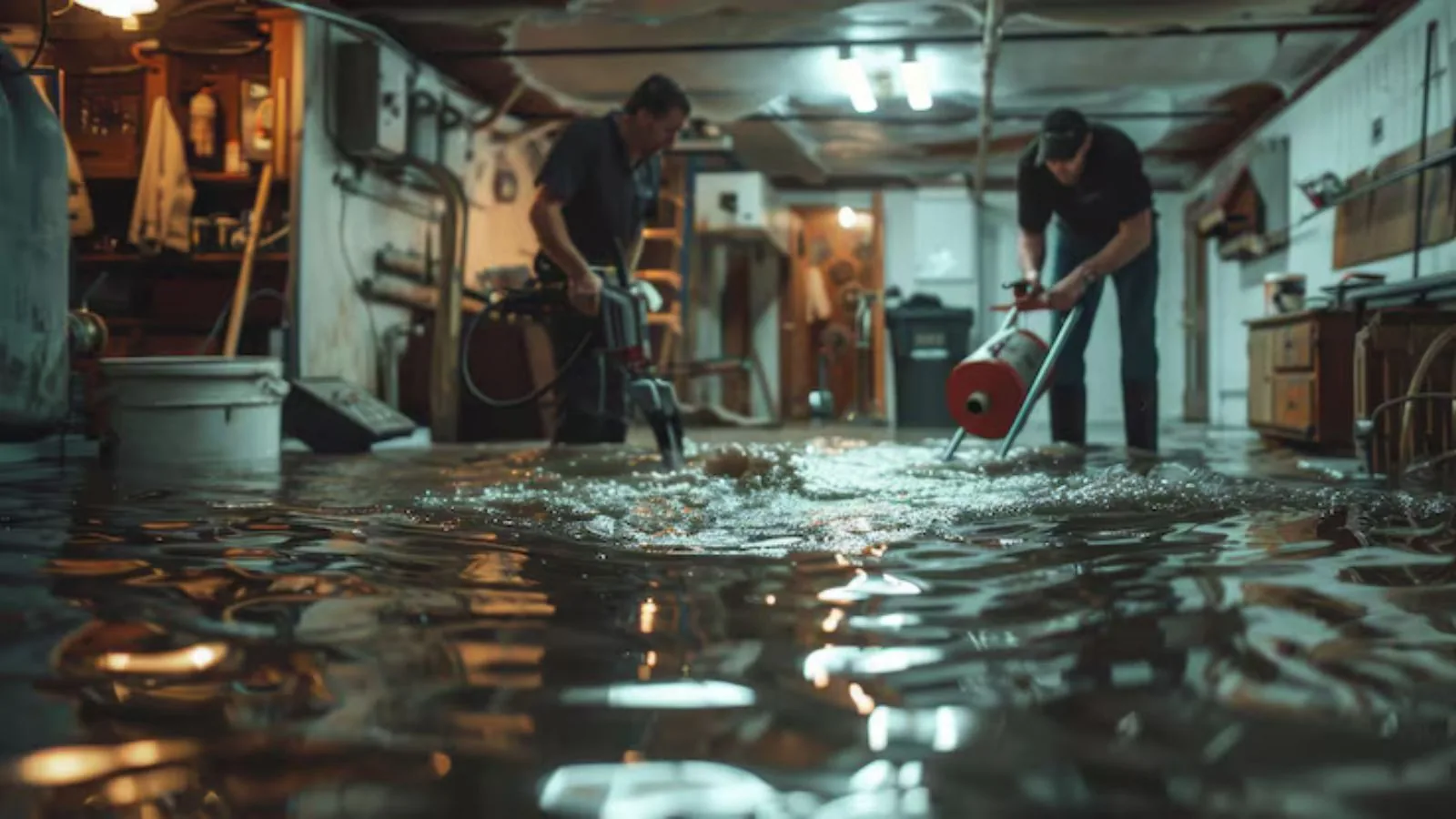
Emergency water extraction in Southern Pines, NC means removing standing water from a home or building with pumps and extraction units before it soaks into floors, walls and framing. It is the first step in almost every water loss and the one that changes the outcome most. Our emergency line is open 24/7, and the call is about getting the water out, not selling a repair.
If water is still coming in, find the source first. Shut off the main water valve if a supply line is leaking, and turn off power to wet areas only if you can reach the panel dry. Lift valuables off the floor, and keep people and pets out of any water that may be contaminated.
When standing water is an emergency
Water that has been on a floor for a few hours is already wicking into baseboards, drywall and subfloor. Inches of water in a hallway can mean gallons held inside a wall. Any standing water deeper than a thin film, or any water that touched an outlet, appliance or sewer line, should be treated as an emergency.
Check the electrical risk before anything else
If water reaches outlets, a panel or a basement furnace, do not enter. Call the power company or 911 first, then call us. A restoration crew can only begin extraction once the area is safe to work in.
How extraction works in a real house
Extraction is not one machine. A submersible pump moves deep water quickly, a truck-mounted or portable extraction unit pulls water out of carpet and hard floors, and wet vacuums handle corners, thresholds and stairs. On carpet, a weighted wand presses water out of the fibers and pad so it does not stay in the subfloor.
When the visible water is gone, the job is not finished. Moisture meters and thermal imaging show where water traveled into walls and under flooring. That map decides what stays, what gets opened and where air movers and dehumidifiers go. Extraction without that check leaves hidden moisture behind.
Extraction versus drying
Extraction removes bulk water. Structural drying removes the moisture that remains in materials, and it can take days. Think of extraction as the first hour and drying as the following week. A good plan covers both, because a floor that looks dry can still be holding enough moisture to grow mold.
- Extraction handles water you can see, on floors and in carpet.
- Drying handles moisture inside drywall, framing and subfloor.
- Monitoring shows when the structure is actually dry.
What affects the extraction job
Depth matters, but so do source and time. Clean supply-line water is easier to handle than water that came up from a drain or in from outside. Carpet and pad hold far more than hard floors, and a finished basement with built-ins takes longer than an open slab. Access matters too, since furniture and stored boxes have to be moved before pumps reach the lowest point.
Water extraction cost factors
The price of getting water out depends on a short list of things:
- Water category. Clean, gray and black water need different handling and disposal.
- Depth and affected square footage.
- Flooring type. Carpet and pad take longer than tile or sealed concrete.
- Access to the lowest point, including stairs and stored contents.
- Whether drying and demolition follow extraction.
Sudden and accidental water, such as a failed supply line, is often covered by homeowners policies, while gradual leaks and neglect often are not. Check your policy and ask your insurer. Photograph the water before it is removed so the file has a record.
Want your real number? ☎ Call (910) 387-8176
Where extraction leads next
If a pipe was the source, our pages on burst pipe water damage and water heater leaks cover the repair side. Water that rose from the ground is covered under flood damage cleanup. For houses in Pinehurst, our team can reach you through the page for water damage restoration in Pinehurst.
Frequently asked questions
Do you handle water extraction emergencies at night or on weekends in Southern Pines?
Yes. The line stays open all night and all weekend. When you call, we ask where the water is, how deep it is and whether the source is stopped, and we explain scope and price before work starts.
What should I do while waiting for water extraction?
Stop the source if you can, usually at the main water valve. Cut power to the wet area at the breaker only if the panel itself is dry and easy to reach. Move valuables to higher ground and keep people and pets out of contaminated water.
Is extraction the same as drying?
No. Extraction removes standing water. Drying removes moisture held in materials, and it takes longer. Most losses need both.
Can I remove the water myself with a wet vacuum?
For a small spill, yes. For water across a room or into carpet, a household vacuum leaves most of it behind and can be unsafe near electrical hazards. Deep or contaminated water should be handled by a crew.
How do you know the water did not go into the walls?
Moisture meters and thermal imaging show wet material behind a surface. Readings from dry areas of the same home set the target for drying.