
Water damage rarely looks the same twice. A split supply line, a failed water heater, a clogged air conditioner drain and a storm leak all need different handling. This page groups our services by source, so you can find the one that matches what you see.
Not sure which one fits? Call the 24/7 line and describe the damage. We will tell you which service applies and explain the scope and price before work starts.
Pipes and plumbing
Water that starts inside the supply and drain lines.
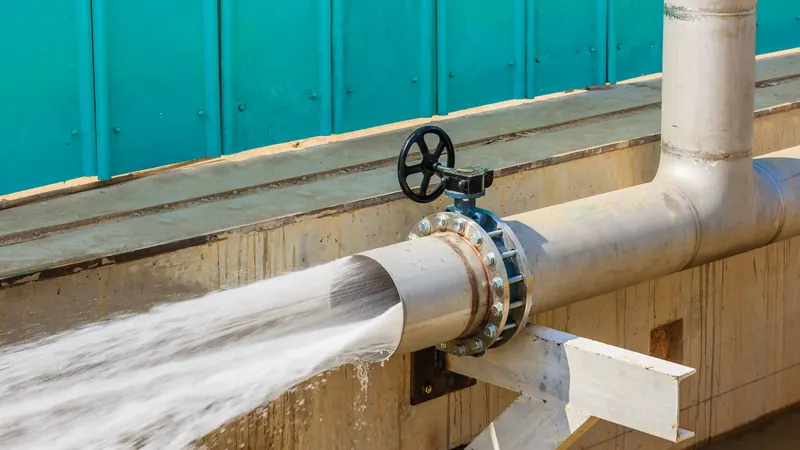
Burst Pipe
Shut off the water, then call. A burst supply line is one of the fastest ways to flood a house.
About burst pipe →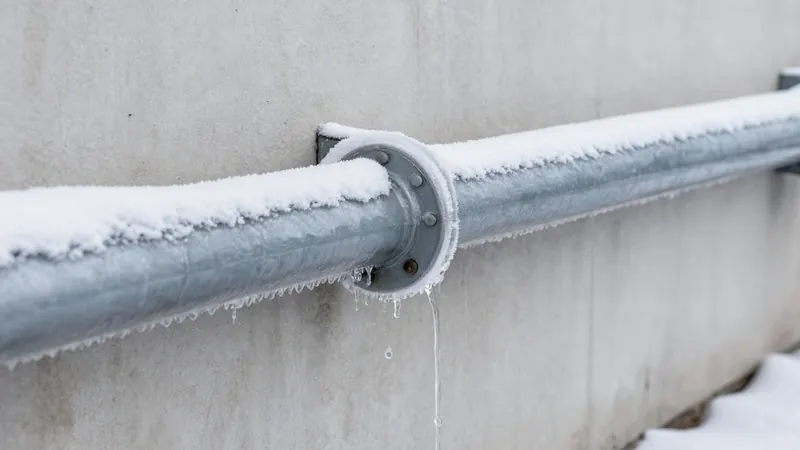
Frozen Pipe
A frozen pipe often does its damage when it thaws. Know what to do before the ice melts.
About frozen pipe →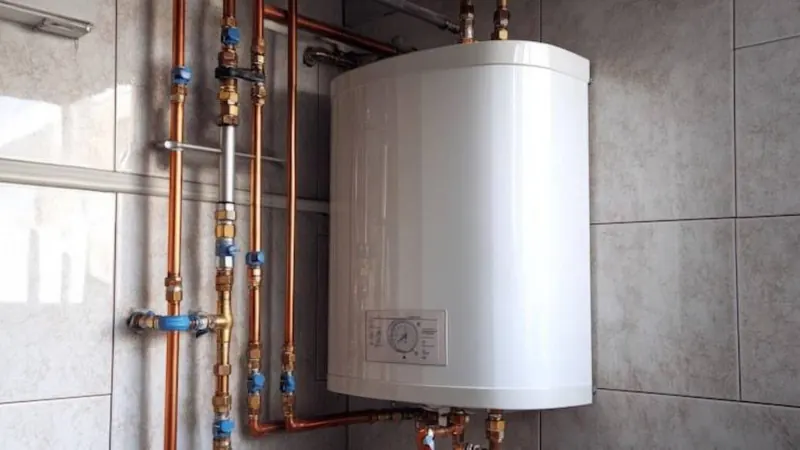
Water Heater Leak
Tank failures release a lot of water quickly. Shut it off, then call for extraction and drying.
About water heater leak →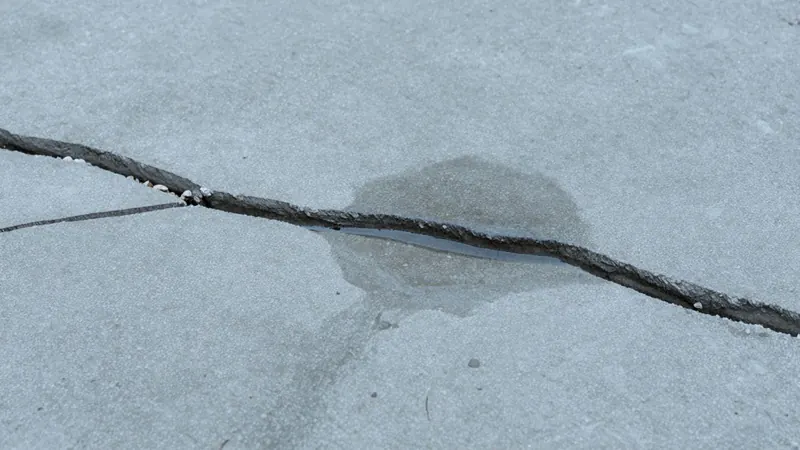
Slab Leak
A leak under a concrete slab is hidden by design. Here is how people notice it and what cleanup looks like.
About slab leak →Appliances and HVAC
Leaks from machines, cooling equipment and the kitchen.
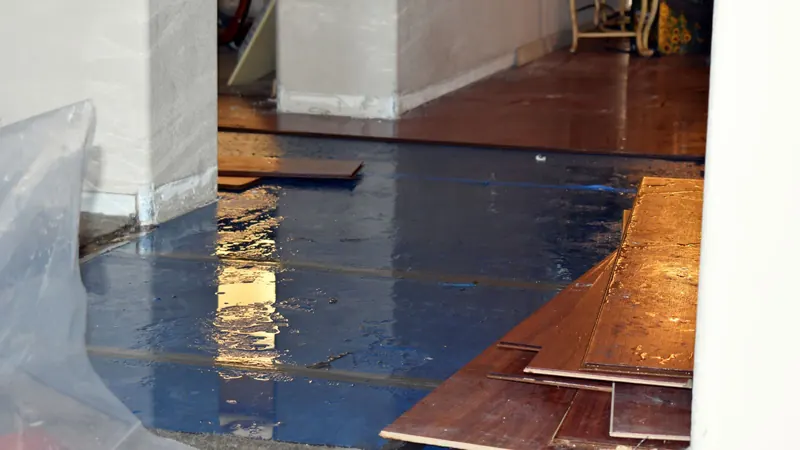
Appliance Leak
Appliance leaks start small and spread quietly. Learn where they come from and how the drying works.
About appliance leak →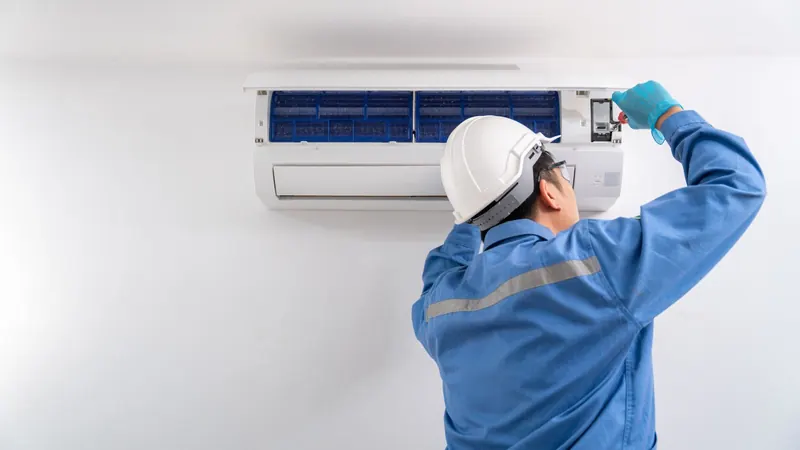
AC Leak
Air conditioners make water all summer. When the drain fails, that water ends up in your ceiling or closet.
About ac leak →
Kitchen
Kitchens have plumbing in every wall and cabinet. Water damage here is common and often hidden.
About kitchen →Weather and building envelope
Water that arrives from outside or from above and below the living space.
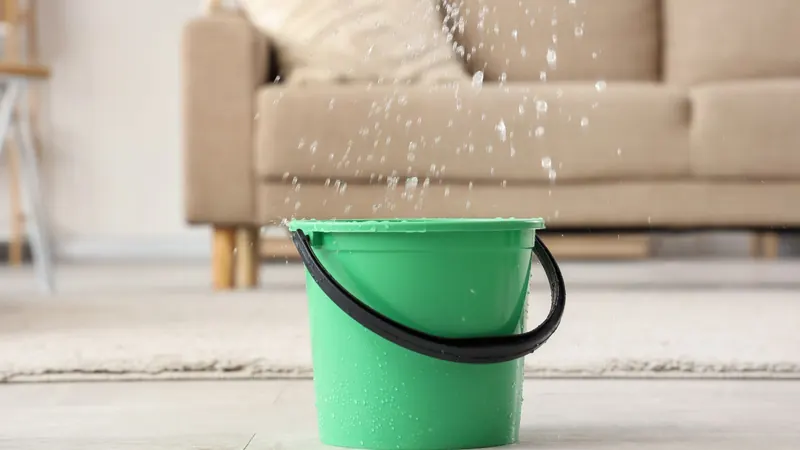
Ceiling and Roof Leaks
A wet ceiling can fail without warning. Learn what to do first, what causes it and how the repair works.
About ceiling and roof leaks →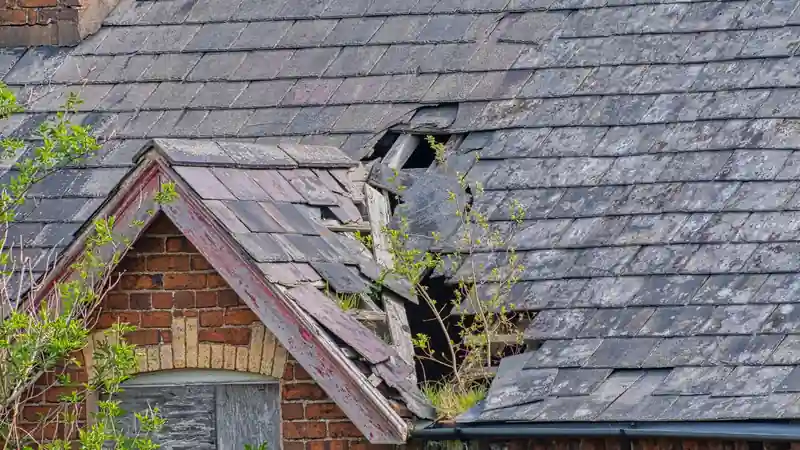
Storm Damage
Storm damage lets water in from the outside. Protect the opening, document it, then dry what got wet.
About storm damage →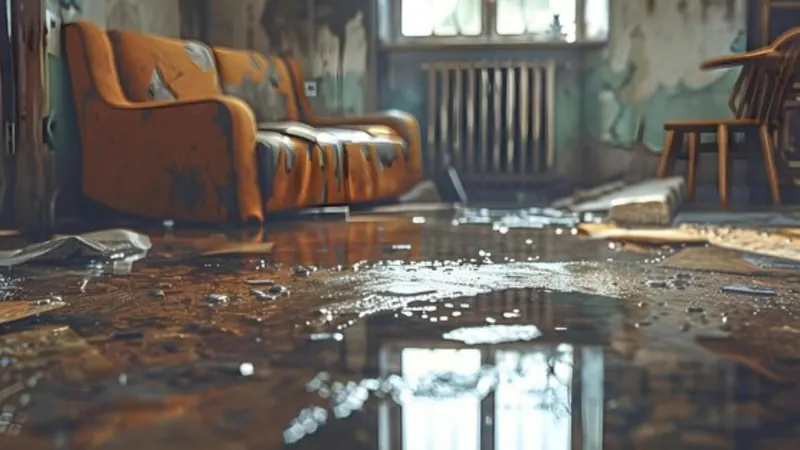
Flood Damage
Water from outside is in the building and the clock is running. Here is what to do first and what the cleanup involves.
About flood damage →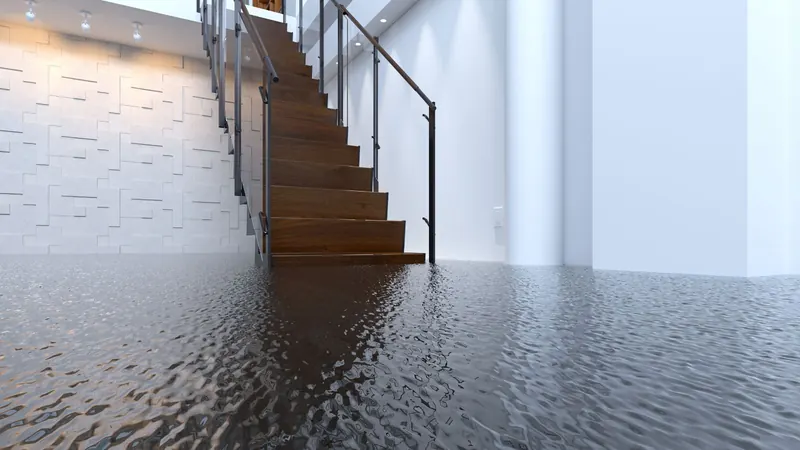
Basement
A wet below-grade room needs fast pumping and careful drying. Here is what to do and what we do.
About basement →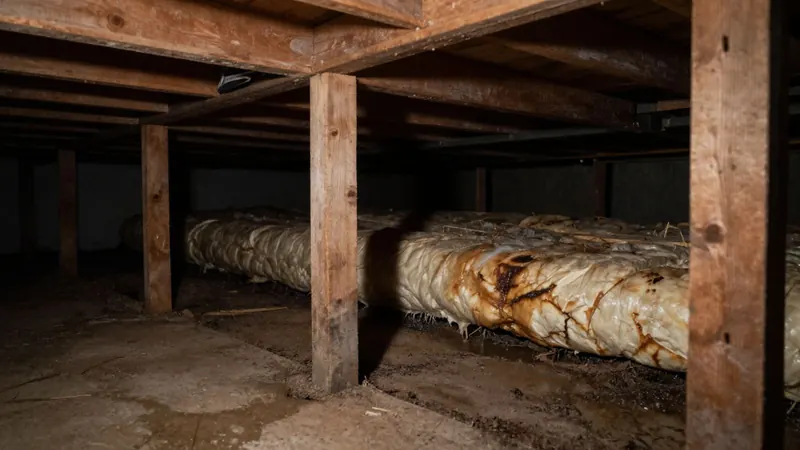
Crawl Space
Water under the house is easy to ignore and hard to dry. Here is what it does and how it is handled.
About crawl space →Water removal and drying
Getting standing water out and the structure dry.
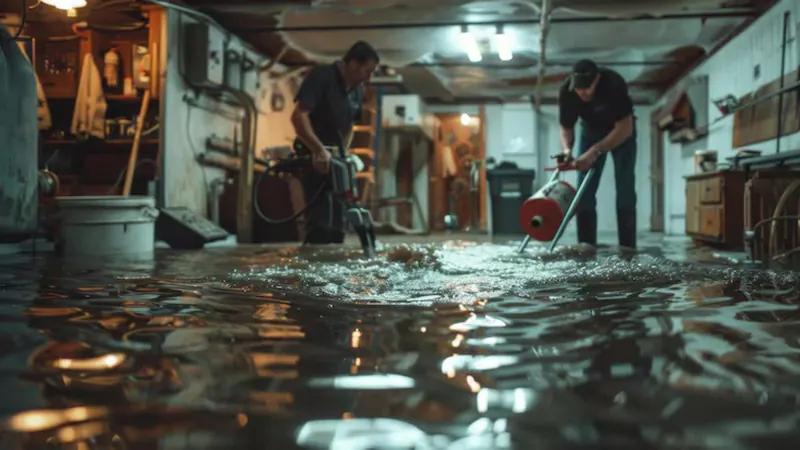
Water Extraction
Standing water is the first problem to solve. Pumps and extraction units come before any repair talk.
About water extraction →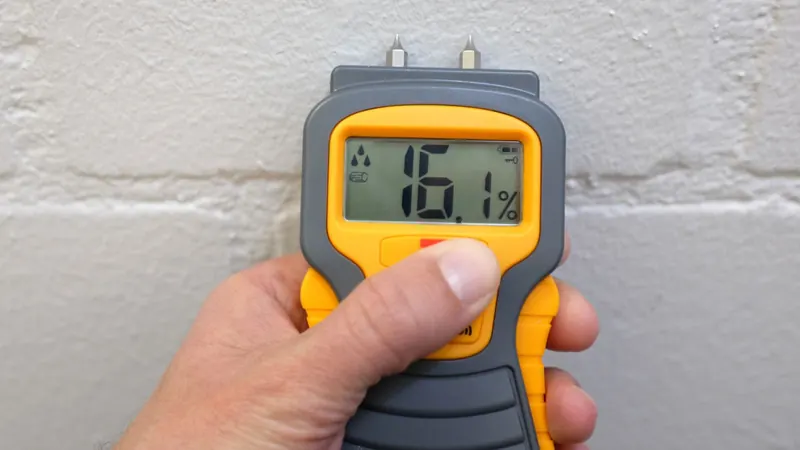
Structural Drying
Drying is the step that protects the house after the water is gone. Here is how it works and how it is verified.
About structural drying →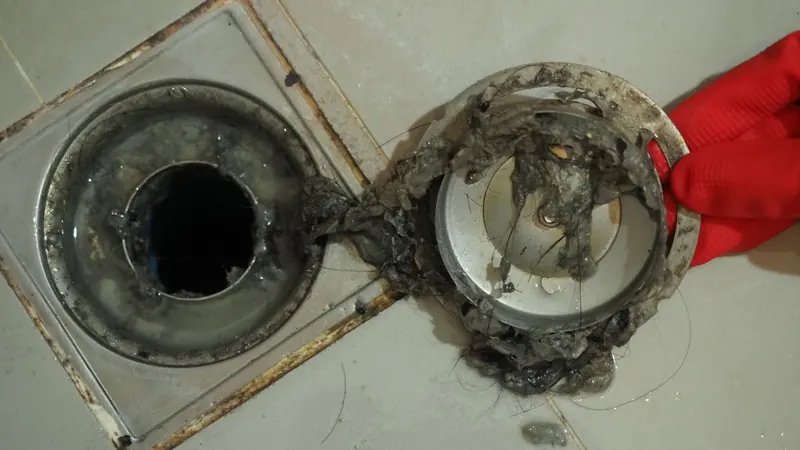
Sewage Backup
Sewage is contaminated water. Keep out, keep others out, and get it removed properly.
About sewage backup →Floors and walls
Repair and drying by the material that got wet.
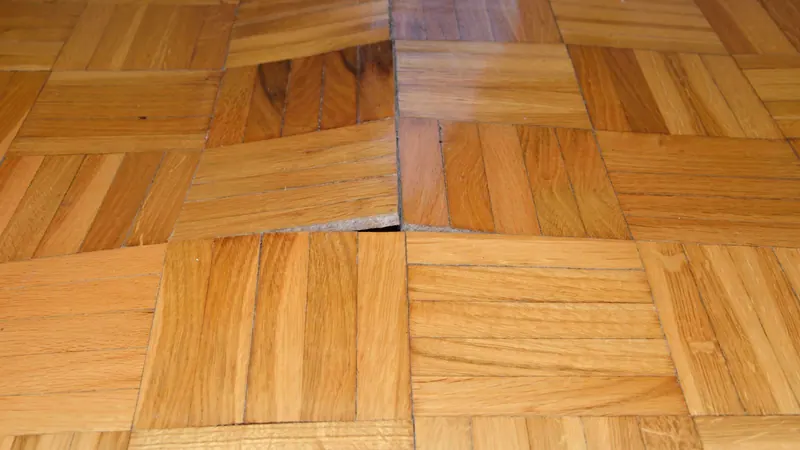
Hardwood Floor
Wood floors react to water in specific ways. Quick drying can save them. Waiting often cannot.
About hardwood floor →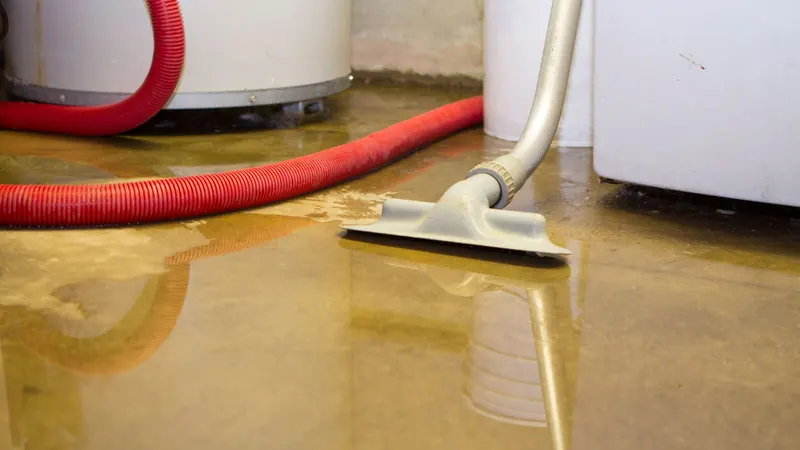
Carpet
Carpet and pad hold a lot of water. What happens next depends on the water source and how fast drying starts.
About carpet →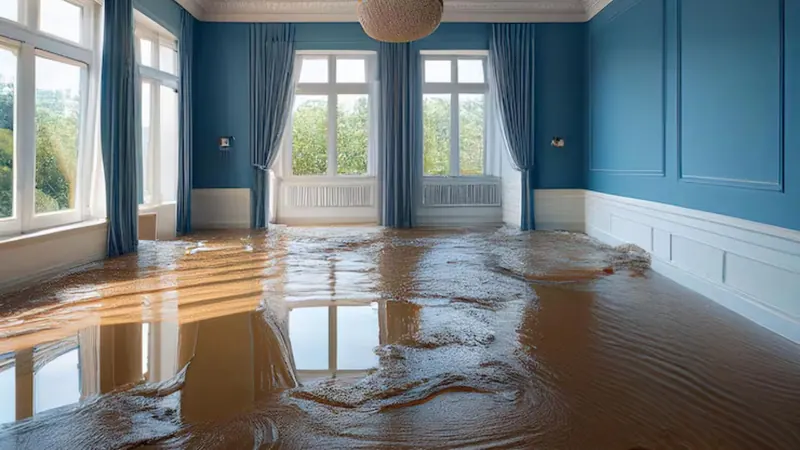
Wall and Drywall
Walls wick water upward and hide it in the cavity. Drying comes before patching and paint.
About wall and drywall →Commercial
Businesses, multi-unit buildings and downtime.
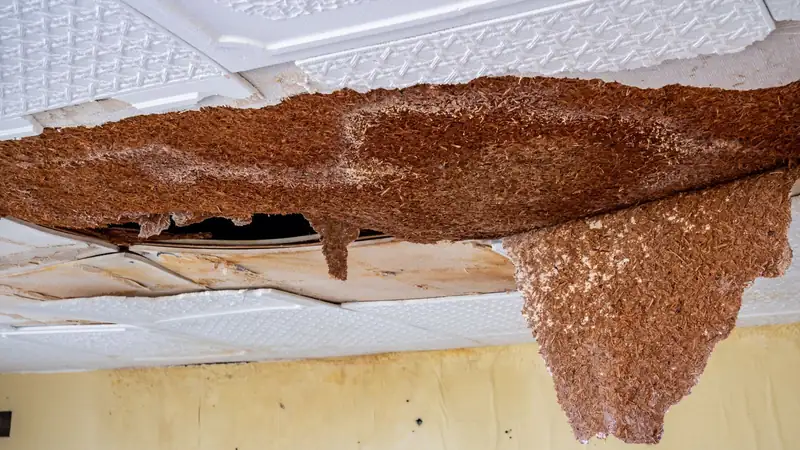
Commercial
Every hour a business is wet is an hour it may be closed. Here is how commercial water losses are handled.
About commercial →