
By the Southern Pines Water Damage Pros team
Restoration professionals sort water into three categories, and the category decides how a job is handled. Understanding them helps you judge risk, ask better questions and avoid cleaning something yourself that should be left to a crew.
Category 1: clean water
Category 1 water comes from a sanitary source, such as a supply line, a faucet or a rain leak. It does not pose an immediate health risk when it first appears. Examples include a burst supply line, an overflowing sink with clean water and a leaking water heater.
Category 2: gray water
Category 2 water has some contamination and can cause illness if swallowed or touched in large amounts. Examples include washing machine overflow, dishwasher discharge and toilet overflow with urine only. Gray water can become worse if it sits.
Category 3: black water
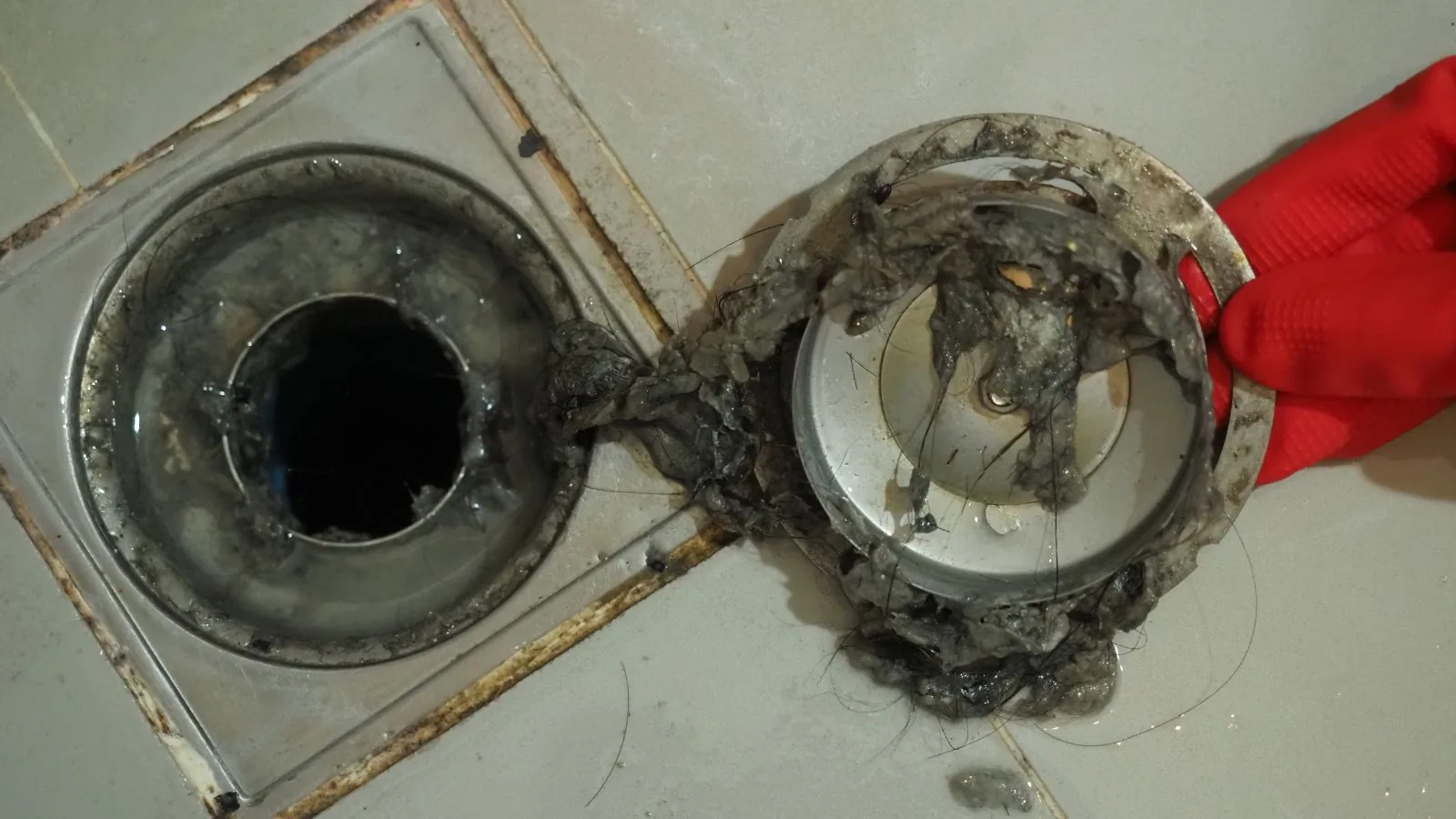
Category 3 water is grossly contaminated and may carry bacteria and other harmful organisms. Examples include sewage backup, flood water from rivers or the ground and any water that has stood for a long time. It requires protective equipment and careful removal of porous materials.
| Category | Common sources | Typical handling |
|---|---|---|
| 1, clean | Supply lines, faucets, rain leaks | Extraction and drying, often save materials |
| 2, gray | Washer or dishwasher overflow | Removal of porous items, cleaning and drying |
| 3, black | Sewage, flood water, standing water | Remove porous materials, disinfect, protective gear |
Water can change category
Clean water does not stay clean. Time, temperature and contact with building materials can move water from category 1 toward category 2 or 3. That is one reason fast action matters, and why the same leak costs more to fix after a few days.
- A leak that sat in carpet over a weekend may no longer be clean.
- Water that travels through a dirty crawl space picks up contamination.
- Warm, humid conditions speed bacterial growth.
- Contact with soil, sewage or chemicals changes the category at once.
What to do for each category
- Category 1: stop the source, remove water fast and dry. Keep photos.
- Category 2: avoid contact, keep children and pets away, and call a crew about removing porous items.
- Category 3: leave the area, avoid contact, and call a professional. Do not use a household vacuum on the water.
For sewage, see sewage backup cleanup, and for rising water from a storm see flood damage restoration.
Why the categories exist
The categories come from industry standards that restoration professionals use to decide how to protect workers, which materials to remove and how to clean. They exist because the same quantity of water can be harmless in one case and hazardous in another. A gallon from a clean supply line is a different problem than a gallon from a backed-up drain.
Clues you can see
- Color: gray, brown or cloudy water is a warning sign.
- Smell: a sewage or sour odor suggests contamination.
- Source: anything from a toilet, drain, outside ground or standing water deserves caution.
- Time: water that has sat for more than a day or two should be treated as worse than it first looked.
- Contents: floating debris, soil or oil changes the picture at once.
You do not need to decide the category yourself. Tell the crew what you know, including the source and how long the water has been there, and let them assess it.
Protecting your family while you wait
- Keep children and pets out of the affected area.
- Wear waterproof boots and gloves if you must enter, and wash well afterward.
- Avoid touching your face or eating until you have washed.
- Do not run fans that spread contaminated mist through the house.
- Close doors to contain the area until help arrives.
These steps are meant to reduce exposure, not to replace professional cleaning when water is contaminated.
Documenting the source
Photograph the source, the water line on the walls and anything floating in the water. These records help the crew assess the category and help your insurer understand the loss. Write down when you first noticed the water, since time is part of how the category is judged.
Why professionals ask so many questions
Expect a crew to ask where the water came from, how long it has been there and whether anyone has walked through it. Those questions are how the category gets set, and the answers change what is removed and what can be cleaned.
Keep any lab or utility notices that come with a contamination event, since they can support your claim later.
When to stop and call
If the water is dark, smells of sewage, covers a large area or has been standing for more than a day, stop cleaning and call a professional. Further handling can spread contamination into rooms that were not affected.
Source-checked local notes
The Town of Southern Pines Utilities Division reports that its drinking water plant has treated surface water since it began operating in 1986. That treated supply is category 1 when it leaves a pipe, but a leak that crosses a dirty surface or sits for days can change category.
Source type: Town of Southern Pines Water Quality Report and industry classification guidance. For nearby service see Aberdeen and Sanford.
Frequently asked questions
What are the three categories of water damage?
Category 1 is clean water, category 2 is gray water with some contamination, and category 3 is black water that is grossly contaminated.
Can clean water become dangerous?
Yes. Time, temperature and contact with materials can move it to category 2 or 3.
Is flood water ever category 1?
Generally no. Flood water carries soil and contaminants and is treated as category 3.
Can I clean category 3 water myself?
It is not recommended. It needs protective equipment and careful removal.
Why does category matter for insurance?
It affects what is removed and what is cleaned, which affects scope. Document everything and ask your insurer.